
Human beings, by virtue of his natural reasoning, have an innate capacity to question things about themselves, about others, and about the world. An interesting question we might often hear around is: If God is the creator of everything and He is the source of all goodness, why is there so much evil in the world? In this vein, how could we explain the barbarity of human trafficking, inhumane poverty or man’s hatred and ambition in today’s world?
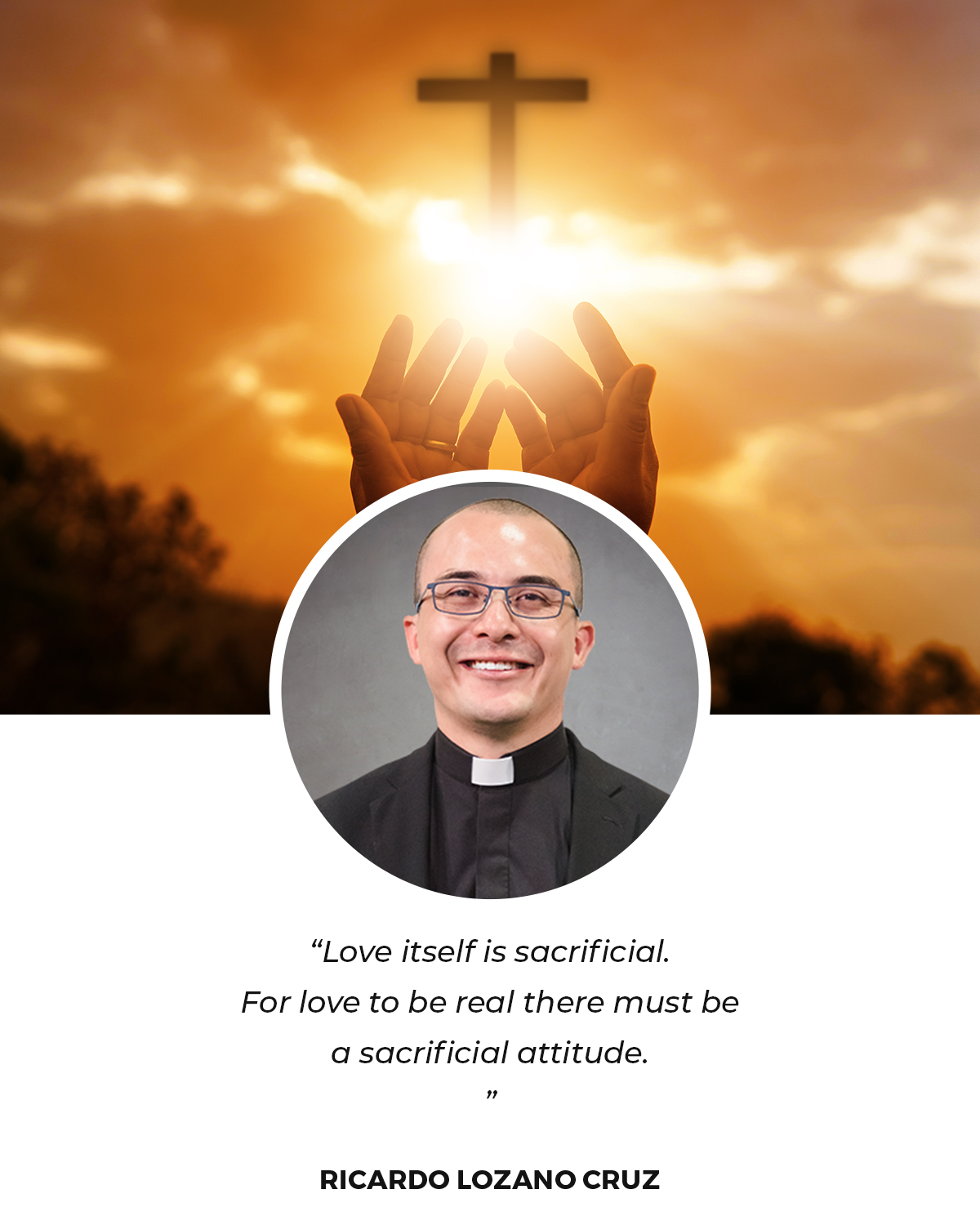
On one level, I believe that both the validity and importance of this question are imperative and deserve special attention in Catholic teaching as we firmly believe in God’s infinite goodness and perfection. I’d like to offer a way to tackle this topic by recalling a simple, yet very inspiring insight from the book The Power of Silence, by Robert Cardinal Sarah. Such afascinating book contains one of the most powerful and incisive ideas on God’s nature. Fittingly, Cardinal Sarah quotes “The Concept of God after Auschwitz” by Hans Jonas, a German Jewish Philosopher, as follows: “How can we understand these long years of the Shoah [Holocaust] and the abominable procession of extermination camps, like the one in Auschwitz, where so many innocent Jews perished? Why did God choose not to intervene when his people were being massacred?” (Sarah, pg. 91). In his book, Hans attempts to answered to such a painful question. From my personal perspective, I strongly believe Han Jonas was enlightened by divine grace when addressing this topic. He stated: “In order that the world might be, and be for itself, God renounced His being.” Although his answer seems both very philosophical and complex, it actually is simple and easy to grasp. To this effect, it may be useful to think of God’s creation of man as a pure act of love. Love itself is sacrificial. For love to be real there must be a sacrificial attitude. Thus, God’s act of renunciation implies an act of self-giving for the sake of man. In other words, God was willing to renounce his infinite power for man to come into existence. The Almighty, all powerful and eternal God, source of everything, decreased for the sake of man’s existence. In so doing, man’s freedom is expressive of God’s love. God made himself “little” before our human misery because of love. Nevertheless, God’s act of renunciation is not a painless process. Such an act of lowering himself is a suffering process which is better displayed through the Crucifixion. God’s willingness to lower himself was at the expense of becoming vulnerable. God made himself open to the infliction of suffering as He “entrusted the world to agents other than himself”- to a will different than His- (Sarah, pg. 91). In this way, “God becomes a suffering God, as He will have to suffer because of man and be disappointed by him” (Sarah pg. 91). In a mysterious way, “man’s suffering becomes God’s suffering.” (Sarah, pg. 92).
As a result, God detaching himself from his own power is expressive of his own divine poverty as “He gives everything through love, going so far as to give His own life” (Sarah, pg. 171). “Though He was rich, yet for your sake he became poor, so that by his poverty you might become rich” (2 Cor 8:9). “God,” Cardinal Sarah writes, “never wills evil…God is not responsible for the misery that men themselves have generated” (Sarah, pg. 173). God’s ultimate desire is to permit man to be truly free and let him come back to Him on his own initiative.
Today’s reflection is an invitation for both a personal encounter with God and an intimate understanding of God’s love for us. This is an invitation to fully open our hearts to God’s tender and always merciful love. The question of love here does not rely on how much you love God, but on how much you let God love you.

Deacon Ricardo Lozano Cruz
Latest posts by Deacon Ricardo Lozano Cruz (see all)
- Unworthiness, Joy, and Gratitude - May 2, 2023
- Light Coming Through the Darkness - April 4, 2023
- Man’s Creation: God’s Act of Love - February 7, 2023
