
 The lives of the Saints are a great thing to read. There’s something inspirational in seeing people: with flesh and blood, sins and success, sorrows and joys- just like us, making a difference in the world- and then we look in at ourselves. Have I levitated in deep prayer recently? Have I led a hundred poor children through the city streets in ragged clothes to teach them the ways of the Faith? Have I evangelized to the same people who persecute and try to kill me? We look at what we have done: driven to work, washed the dishes, sat at a computer, wrote a blog post- nothing exciting. There is nothing out of the ordinary, no magnanimous tales to inspire the masses, no triumph which brought a thousand souls to heaven. Day to day, we are mundane. We read the lives of the saints, hearing their amazing success with wishful thinking, or terrible dismay, knowing we could never do that.
The feeling of inability, knowing the world can’t be changed, can develop into one of the most common distractions to discernment. That sense of not being able to do anything continues until it becomes a question of worth. Countless times people will tell the same story: “It’s not that I don’t desire the Priesthood, it’s just that I’m not worthy. I’m a sinner, how can I console people, how can I hear confessions, how can I behold the consecration of the Body, Blood, Soul, and Divinity of Christ at my fingertips? I’m just me.”
It is true that on our own we can nothing, it is true that we are not worthy, but since when have we been alone? God doesn’t need the most powerful, or most brilliant, or even most pious people to do his work. He doesn’t need anybody, but he often choses those we might not expect. As St. Paul writes, “Rather, God chose the foolish of the world to shame the wise, and God chose the weak of the world to shame the strong.” (1 Corinthians 1:27 USCCB.org) The matter of worth is a moot point, simply because nobody is worthy. Despite that, God wills that his work is done by those same unworthy people.
If fact, if we closely inspect the lives of the Saints, we see the same struggles as ourselves. One of the great Cappadocian Fathers, Saint Gregory of Nazianzus, ran away after his ordination, and when he came back he gave a strongly argued oration about how he was in no way worthy of the priesthood. Saint Gerome was famous for his fiery and often profane temper. Saint Juan Diego was a poor farmer with no formal education, and he was the one the Blessed Mother appeared to so that the message of Christ would be spread to the Americas. Neither worth nor ability hinders God.
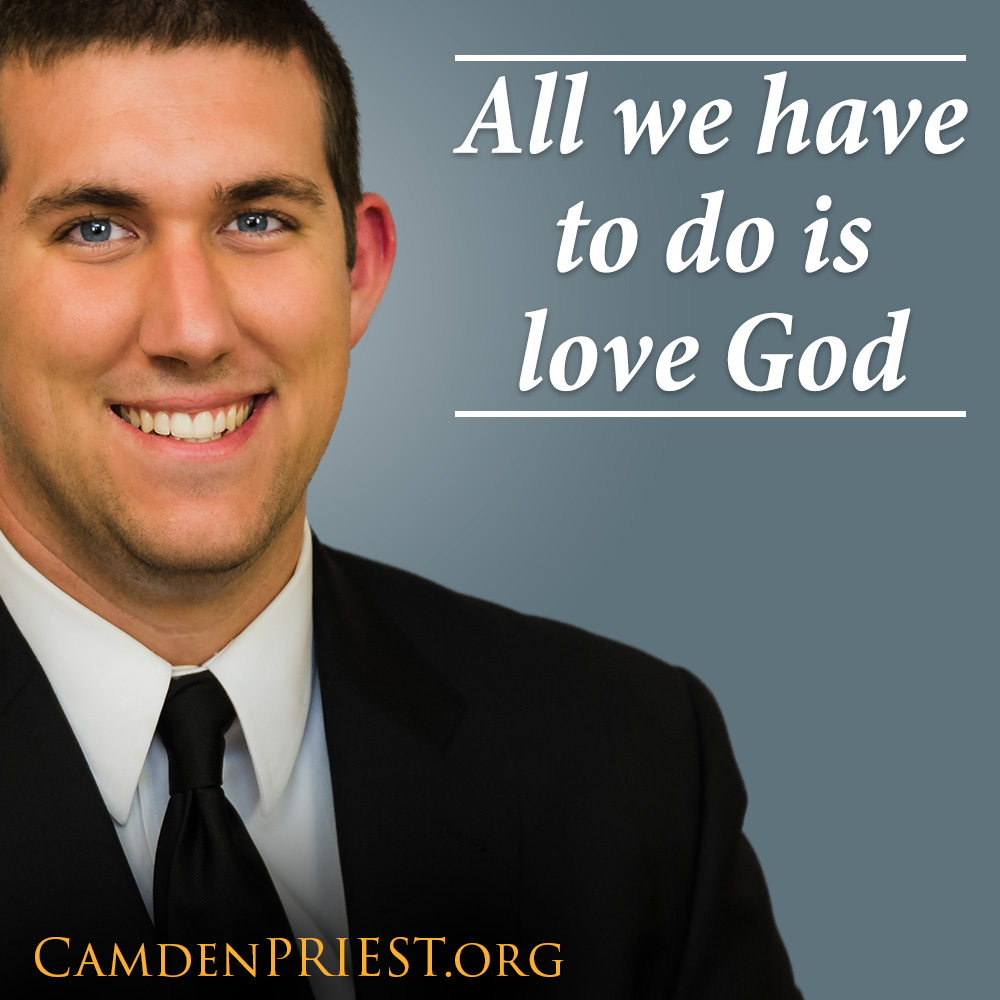
God is not a pragmatist. He doesn’t love you for your utility, he loves you simply because you are you. It’s not our concern to be a figure fit for anthems or tales. All we have to do is love God. Saint Teresa of Calcutta once said, “Not all of us can do great things. But we can do small things with great love.”
What are we doing with the days of our lives? Driving? Chores? Blogging? These things can be done in many ways, but there is a common thread in all of them: they can all be done with love. They may not seem exciting or important now, but what God has in store for us is nobler, more beautiful, and more fulfilling than anything we could ever imagine.

Patrick Erdmann
Latest posts by Patrick Erdmann (see all)
- Faith and Trust - October 24, 2017
- The Star of the Sea - March 1, 2017
- The Days of our Lives - October 5, 2016
